
GHB’s Party Drug Risks: Health and Safety Concerns in Nightlife and Addiction

Authored by hotsportshoessale.com, 24 Dec 2025
When the Night Calls: The Allure and Danger of GHB
Imagine stepping into a pulsating nightclub where the music is loud, the lights flash in sync with every beat, and the atmosphere brims with excitement and possibility. It's a scene many young adults find irresistible, a place to unwind, socialize, and escape the daily grind. Amidst this vibrant backdrop, party drugs like GHB (gamma-hydroxybutyrate) often make a stealthy appearance, promising euphoric highs, increased sociability, and a heightened sense of connection. However, beneath the surface of this allure lies a complex web of health concerns and safety risks that demand attention.
GHB, sometimes dubbed the “liquid ecstasy,” has carved a notorious niche in nightlife culture. Its reputation as a party drug capable of inducing relaxation, lowered inhibitions, and even enhanced sensual experiences draws many toward experimentation. Yet, with this comes a spectrum of substance risks that are frequently underestimated or misunderstood. From accidental overdoses to the insidious grip of addiction, the dangers of GHB extend far beyond a fleeting night of fun. both teams to score betting
As we unravel the realities of GHB use, it’s important to approach the topic with both awareness and empathy. This article will explore the multifaceted risks associated with GHB consumption in party settings, illuminating the health hazards, safety concerns, and patterns of dependency that often go unnoticed. Along the way, we’ll also touch on how understanding related behaviors—like strategies used in both teams to score betting—can offer insights into risk management and decision-making under pressure, highlighting a surprising intersection between nightlife choices and calculated risks in other areas of life.
Unpacking the Risks: What Makes GHB So Treacherous?
At first glance, GHB might seem like just another party enhancer, but its impact on the body and mind is anything but benign. One of the most alarming aspects is how quickly the line between a pleasurable experience and a medical emergency can blur. Because GHB acts as a depressant on the central nervous system, even a slight miscalculation in dosage can lead to severe respiratory distress, unconsciousness, or worse.
Consider this: the window between a recreational dose and an overdose is notoriously narrow. Unlike alcohol or some other substances where effects might escalate more gradually, GHB’s potency means that what feels like a fun buzz can rapidly spiral into a dangerous situation. This is why first-time users, or those mixing GHB with alcohol and other drugs, face exponentially higher risks.
Health Hazards Beyond the Club
Beyond immediate overdose dangers, the long-term health implications of GHB are equally concerning. Regular use can lead to tolerance buildup, requiring higher doses to achieve the same effects, which in turn increases the risk of dependency. Withdrawal symptoms are often severe, including insomnia, anxiety, tremors, and in extreme cases, psychosis. The shadow of addiction looms large over those who turn to GHB as a regular party companion.
Moreover, because GHB can cause profound memory lapses and impair judgment, users may unknowingly put themselves in vulnerable situations. This includes the heightened risk of accidents, risky sexual encounters, or becoming targets of assault. Nightlife safety isn’t just about the environment—it’s heavily influenced by the substances people consume.
Turning Awareness Into Action: Navigating Nightlife Safely
Recognizing the dangers of GHB doesn’t mean condemning those who use it but rather equipping individuals with the knowledge to make informed decisions. Just as savvy sports fans study strategies like both teams to score betting to improve their chances and minimize losses, partygoers can benefit from understanding the dynamics of substance risks to safeguard their well-being.
- Education: Familiarize yourself with GHB’s effects and warning signs of overdose.
- Dosage Caution: Never guess the amount you’re taking—small increments matter.
- Buddy System: Attend events with trusted friends who can watch out for each other.
- Avoid Mixing: Steer clear of combining GHB with alcohol or other depressants.
- Seek Help: Know where and how to get medical assistance if needed.
By fostering a culture of awareness and responsibility, nightlife can become a safer space where enjoyment doesn’t come at the cost of health. This shift requires honest conversations about the real substance risks of GHB and the courage to confront uncomfortable truths without judgment.
In the sections that follow, we’ll delve deeper into the science behind GHB’s action on the body, share stories from those affected by its darker side, and explore resources available for individuals seeking help. Whether you’re a curious clubber, a concerned friend, or someone grappling with GHB use yourself, understanding these risks is a vital step toward safer nights and healthier lives.
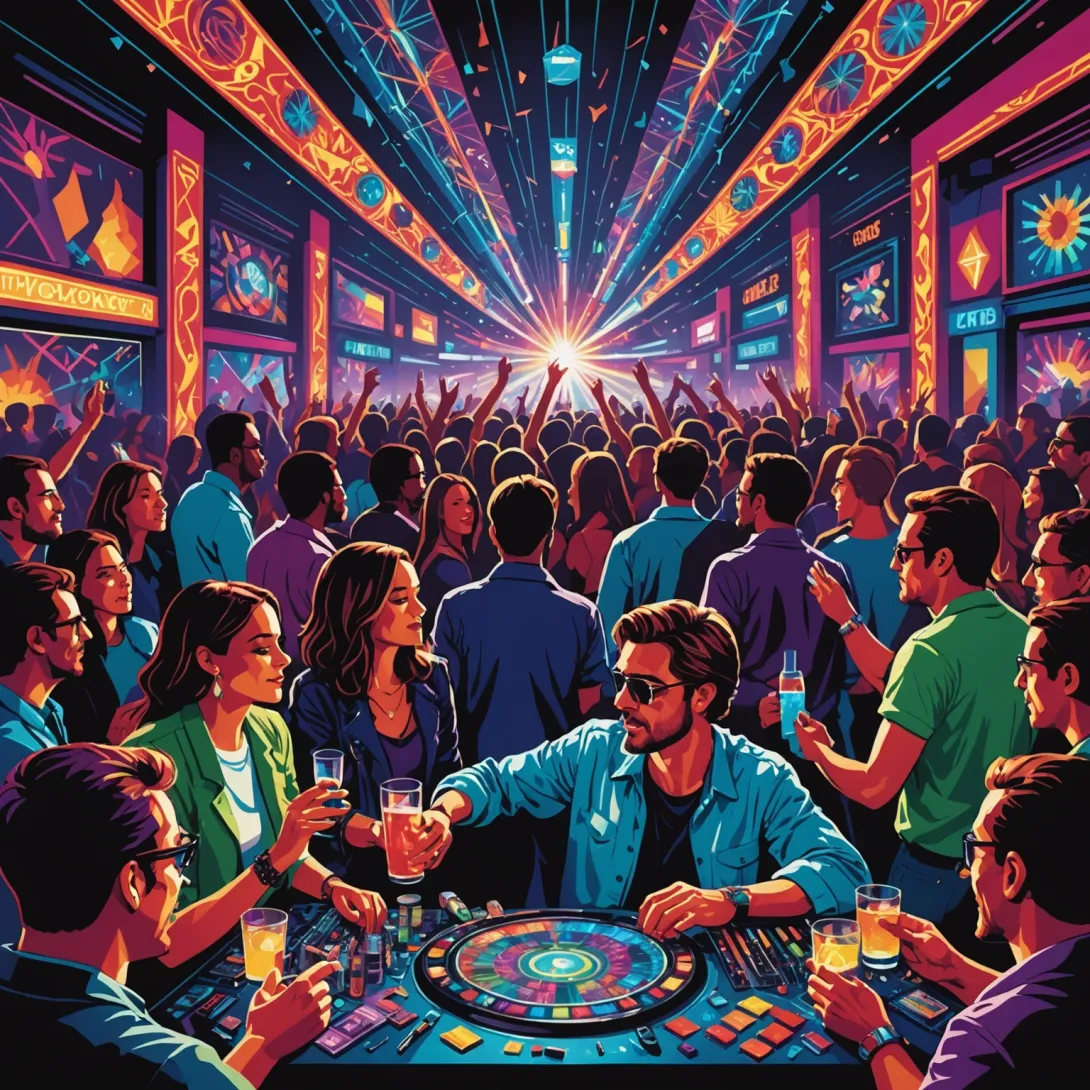
GHB’s Party Drug Risks: Health and Safety Concerns
What is GHB and Why Is It Popular in Nightlife?
Gamma-Hydroxybutyrate (GHB) is a central nervous system depressant that is often used recreationally as a party drug. Its popularity in nightlife and party scenes stems from its euphoric and disinhibiting effects, which some users seek for enhanced social experiences. However, the use of GHB carries significant substance risks that many may not fully appreciate.
What Are the Health Risks Associated with Using GHB?
GHB poses numerous health dangers, both short-term and long-term. Because it acts as a depressant, it slows down brain activity, which can lead to dangerous outcomes:
- Respiratory depression: High doses can suppress breathing, sometimes resulting in unconsciousness or even death.
- Loss of consciousness and coma: Users may suddenly black out without warning.
- Nausea and vomiting: These effects increase the risk of choking, especially if the user is unconscious.
- Seizures: Though less common, seizures can occur, complicating emergency treatment.
- Memory impairment: GHB can cause amnesia for events surrounding its use.
Additionally, GHB has a very narrow therapeutic window, meaning the difference between a recreational dose and an overdose is small, increasing the risk of accidental poisoning.
How Does GHB’s Risk Compare to Other Party Drugs?
While many party drugs carry risks, GHB is often considered particularly dangerous due to its potency and rapid onset. Unlike stimulants like MDMA or cocaine, which increase heart rate and energy, GHB depresses vital functions, which can be lethal if combined with alcohol or other depressants.
According to data from the National Institute on Drug Abuse (NIDA), emergency room visits related to GHB have been steadily reported, often involving unconsciousness or respiratory failure. This contrasts with stimulant-related visits, which might involve paranoia or cardiac issues but not the same level of respiratory risk.
What Are the Addiction and Dependency Risks of GHB?
GHB is not only risky for acute health safety but also carries potential for addiction. Repeated use can lead to physical dependence, characterized by withdrawal symptoms such as anxiety, tremors, insomnia, and in severe cases, hallucinations and delirium. The addictive potential is partly due to GHB’s euphoric effects and its influence on brain chemicals like GABA.
Withdrawal from GHB should be medically supervised since abrupt cessation can be dangerous. This makes GHB use particularly concerning among nightlife populations where repeated use over short periods is common.
What Safety Precautions Can Reduce Risks When Using GHB or Other Party Drugs?
While the safest option is to avoid using GHB and other party drugs, some harm reduction strategies can mitigate risks if individuals choose to use them:
- Never mix GHB with alcohol or other depressants: Combining substances increases the risk of respiratory depression and overdose.
- Use in a safe environment with trusted friends: Having sober individuals nearby can help respond to emergencies.
- Measure doses carefully: Avoid guessing amounts; GHB doses are often measured in milliliters and small errors can be fatal.
- Avoid using alone: If unconscious, emergency help is critical and cannot be summoned if no one is present.
- Be aware of the signs of overdose: Slow breathing, unresponsiveness, and vomiting require immediate medical attention.
How Can Awareness of Substance Risks Influence Nightlife Safety?
Understanding the dangers of GHB and other party drugs helps individuals make informed decisions and encourages venues and policymakers to implement safety measures. Educational campaigns, onsite medical support at events, and easy access to emergency services can reduce incidents related to substance misuse.
For example, some festivals have introduced drug checking services, allowing users to verify the contents of their substances, which can prevent accidental ingestion of dangerous mixtures including GHB. Similarly, peer-led harm reduction programs have proven effective in disseminating knowledge about the risks of party drugs, including GHB.
Real-Life Cases Illustrating GHB’s Risks
Several documented cases highlight the dangers of GHB use in nightlife settings. In one case reported by the Journal of Emergency Medicine, a young adult attending a nightclub suffered respiratory arrest after combining GHB with alcohol. Rapid intervention saved their life, but the incident underscores the drug’s potency and the importance of timely medical response.
Another study found that emergency room visits for GHB overdoses often involve users aged 18-30, aligning with typical nightlife demographics, emphasizing the need for targeted education and preventative efforts within this group.
Summary: Why Understanding GHB and Party Drug Risks Matters
GHB, while sometimes used recreationally for its euphoric effects, carries significant substance risks including overdose, addiction, and impaired safety in nightlife environments. Recognizing these dangers and practicing harm reduction can save lives. Education, awareness, and supportive environments are crucial to minimizing harm associated with GHB and other party drugs.